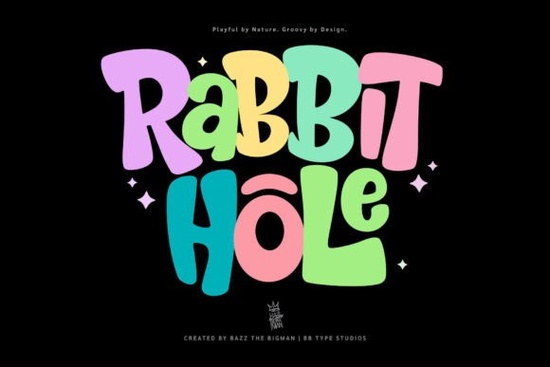
If you’ve been scrolling through display fonts looking for something that feels both nostalgic and fresh, Rabbit Hole Font might be the one you didn’t know you needed. It’s got this cheerful, hand-drawn energy that works especially well for kid-focused projects think birthday invites, storybook covers, or playful packaging. But it’s not just cute. The weight and bounce in each letter give it enough presence to hold its own on posters, merch, or even café signage.
What makes Rabbit Hole stand out is how it balances whimsy with structure. You can tell the designer paid attention to rhythm letters don’t just sit there; they feel like they’re hopping across the page. That organic flow pairs nicely with other personality-driven fonts like Crayons if you’re layering type, or Mila when you want something softer as a supporting player.
Who actually uses this font?
It’s popular with:
- Print-on-demand sellers creating kids’ apparel, mugs, or nursery decor.
- Small business owners running bakeries, toy shops, or family-friendly cafes.
- Crafters and teachers making classroom materials, party printables, or scrapbook elements.
- Indie designers building branding kits or social media templates with a handmade vibe.
One Etsy shop owner told me she switched to Rabbit Hole for her “Storytime Snacks” product line because customers kept commenting on how “happy” the labels looked. That’s the kind of subtle emotional pull this font delivers without trying too hard.
How does it compare to similar retro display fonts?
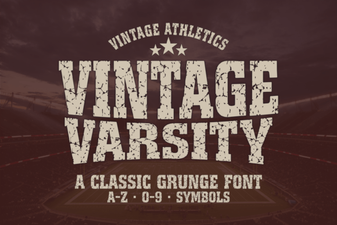
If you’ve used Vintage Varsity, you’ll notice Rabbit Hole has less of a sports-team edge and more of a storybook bounce. It’s also less rigid than Gemstone, which leans into geometric sparkle. For something even puffier and more cartoonish, you might cross-reference Jelly Puff but Rabbit Hole sits in that sweet spot between structured and silly.
You can see all these options side by side over at Rabbit Hole Font on Creative Fabrica, where you’ll also find alternates, ligatures, and multilingual support included.
What kinds of projects does it work best for?
Here’s where Rabbit Hole really shines:
- Kids’ books and activity sheets the rounded terminals and uneven baseline add movement that keeps little eyes engaged.
- Product packaging for toys, snacks, or bath products it reads as friendly and safe, which parents appreciate.
- Festival posters or event flyers big, bold headlines pop without feeling corporate.
- Merch designs for indie brands especially those selling enamel pins, tote bags, or stickers with a handmade aesthetic.
One tip: pair it with a clean sans-serif (like Montserrat or Nunito) for body text. Let Rabbit Hole do the shouting while your secondary font handles the details quietly.
Any hidden features or tips most people miss?
A few things you might not notice at first glance:
- Alternates are included. Some letters have two or three versions toggle them in design apps like Illustrator or Canva Pro for extra variety.
- Spacing matters. Don’t cram the letters too tight. Rabbit Hole likes room to breathe try tracking around 20–50 for headlines.
- Color plays well. Pastels? Yes. Neon gradients? Also yes. This font doesn’t fight color; it dances with it.
Also worth noting: if you’re designing for embroidery or vinyl cutting, test the thin connectors between letters first. While most glyphs are sturdy, a few decorative tails might need slight thickening depending on your machine settings.
Is it worth buying if I already own other playful fonts?
Depends on your library. If you’ve got mostly script or ultra-minimalist display fonts, Rabbit Hole adds a new texture that chunky, bouncy, almost clay-like quality. But if you already own five similar retro-kid fonts, ask yourself: do I need another, or do I need to use the ones I have more creatively?
That said, at its price point (usually under $10 with a Creative Fabrica subscription), it’s an easy yes for most small creators. Especially since you get commercial rights and webfont versions included.
Quick checklist before you download:
- ✅ Check your project’s tone is “playful but confident” the right fit?
- ✅ Preview the full character set make sure special characters or accents you need are included.
- ✅ Think about pairing pick a neutral companion font ahead of time so your layout stays balanced.
- ✅ Test scale Rabbit Hole looks best at medium to large sizes. Avoid tiny applications like fine print or watermarks.
Start simple: throw it on a mockup mug or poster and see how it feels. Sometimes the best way to know if a font “clicks” is to watch it live in context not just in a preview window.
Get Started Prime Varsity Font Download & Design Tips
 Your Vintage Sports Logo Project Guide
 Discover Creative Typography with the Mila Font
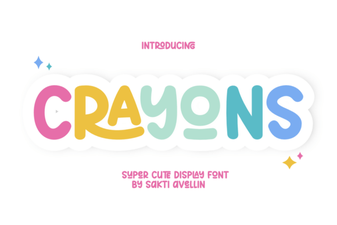 A Creative Font Inspired by Crayons
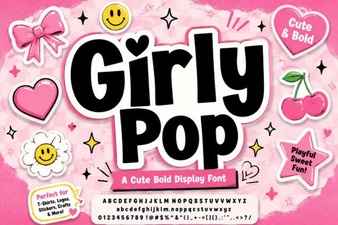 Girly Pop Fonts for Creative Web Design
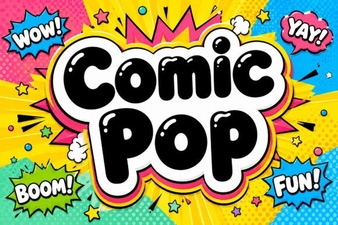 Unleash Creativity with Comic Pop Fonts